
Tax deadline reminders for businesses: key dates you can’t afford to miss
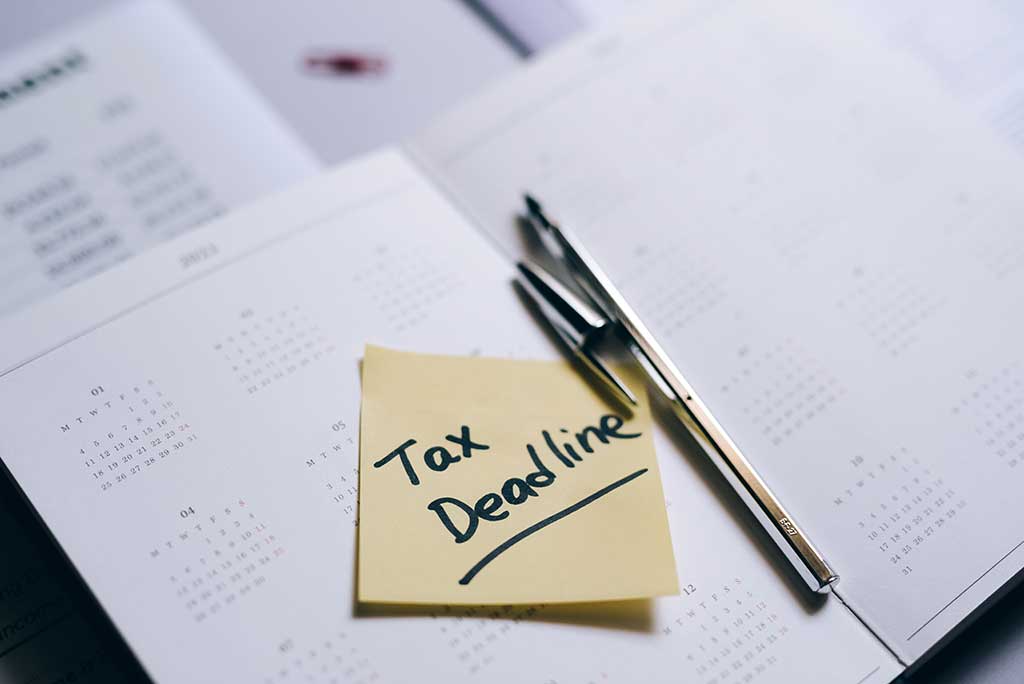
For many business owners, keeping track of tax deadlines can feel overwhelming. Between managing clients, staff, cash flow, and day-to-day operations, it’s easy for important due dates to slip through the cracks.
Missing a tax deadline can lead to penalties, interest charges, and unnecessary stress. The good news? With the right systems in place, staying on top of your tax obligations can be simple and manageable. ✅
In this guide, we’ll cover why tax deadlines matter, common business tax obligations, and practical ways to ensure you never miss an important date again.
Why tax deadlines matter 📅
Tax deadlines aren’t just dates on a calendar. They play an important role in keeping your business compliant and financially healthy.
Staying on top of deadlines can help you:
✅ Avoid late lodgement penalties
✅ Reduce interest charges on unpaid amounts
✅ Improve cash flow planning
✅ Maintain accurate financial records
✅ Reduce stress during busy periods
A proactive approach to tax compliance allows you to focus on growing your business rather than worrying about unexpected fines.
Common tax deadlines for businesses 🏢
Depending on your business structure and obligations, you may need to keep track of several reporting requirements throughout the year.
These can include:
📋 Business Activity Statements (BAS)
💰 PAYG Withholding Reporting
👥 Superannuation Contributions
📊 Income Tax Returns
📑 Goods and Services Tax (GST) Obligations
🏦 Fringe Benefits Tax (FBT) Returns
The specific due dates will depend on your business circumstances and registration requirements, making it important to understand which obligations apply to you.
The risks of missing tax deadlines ⚠️
Missing a tax deadline may seem minor, but the consequences can quickly add up.
Potential impacts include:
💸 Penalties and fines
📈 Interest charges on overdue amounts
📉 Cash flow disruptions
🔍 Increased scrutiny from tax authorities
😟 Unnecessary stress and administrative work
Even small delays can create bigger issues if they occur repeatedly.
Set up a tax calendar 🗓️
One of the easiest ways to stay organised is to maintain a dedicated tax calendar.
Include:
✅ BAS due dates
✅ Superannuation payment deadlines
✅ Tax return lodgement dates
✅ Payroll reporting obligations
✅ Annual compliance requirements
Using a digital calendar allows you to receive automatic notifications before important deadlines arrive.
Schedule multiple reminders ⏰
Don’t rely on a single reminder.
Set alerts:
📅 One month before
📅 Two weeks before
📅 One week before
📅 One day before
Having multiple reminders ensures there is plenty of time to gather information and prepare submissions.
Keep financial records up to date 📂
Many businesses struggle with deadlines because their bookkeeping is behind.
Maintaining current records makes tax preparation much easier.
Good bookkeeping practices include:
📸 Uploading receipts regularly
🏦 Reconciling bank transactions weekly
📊 Reviewing financial reports monthly
📝 Recording expenses promptly
The more current your records are, the less work required when a deadline approaches.
Put money aside for tax 💰
One of the biggest challenges business owners face is finding the funds to pay tax when it’s due.
A simple solution is to set aside a portion of your income throughout the year.
Consider:
🏦 Creating a separate tax savings account
📈 Allocating a percentage of revenue to tax obligations
📅 Reviewing tax liabilities regularly
This approach helps avoid cash flow shocks when payments become due.
Automate where possible 🤖
Technology can help eliminate much of the stress associated with tax deadlines.
Many cloud accounting systems can:
✅ Track tax obligations
✅ Generate notifications
✅ Calculate GST
✅ Produce reports
✅ Integrate with payroll systems
Automation reduces human error and keeps everything in one place.
Work with a professional bookkeeper 🤝
A qualified bookkeeper can play a vital role in helping businesses stay compliant.
Professional bookkeeping support can assist with:
📋 BAS preparation and lodgement
📊 Financial record management
📅 Tax deadline monitoring
💰 Cash flow forecasting
✅ Compliance processes
Having expert support reduces the risk of missed deadlines and gives business owners greater confidence in their finances.
Tips to stay ahead all year long 🚀
Here are some simple strategies to keep your business tax-ready:
✔️ Review your calendar monthly
✔️ Keep bookkeeping up to date
✔️ Store financial documents digitally
✔️ Reconcile accounts regularly
✔️ Monitor cash flow
✔️ Seek professional advice when needed
Small, consistent actions throughout the year can prevent last-minute panic and ensure your obligations are always under control.
Final thoughts 🌟
Tax deadlines are an essential part of running a successful business. By staying organised, maintaining accurate financial records, and setting up reminder systems, you can avoid unnecessary penalties and keep your business running smoothly.
If managing tax deadlines feels overwhelming, our experienced bookkeeping team can help you stay compliant, organised, and prepared all year round. 📞