
Still using spreadsheets? It might be time to upgrade your business systems
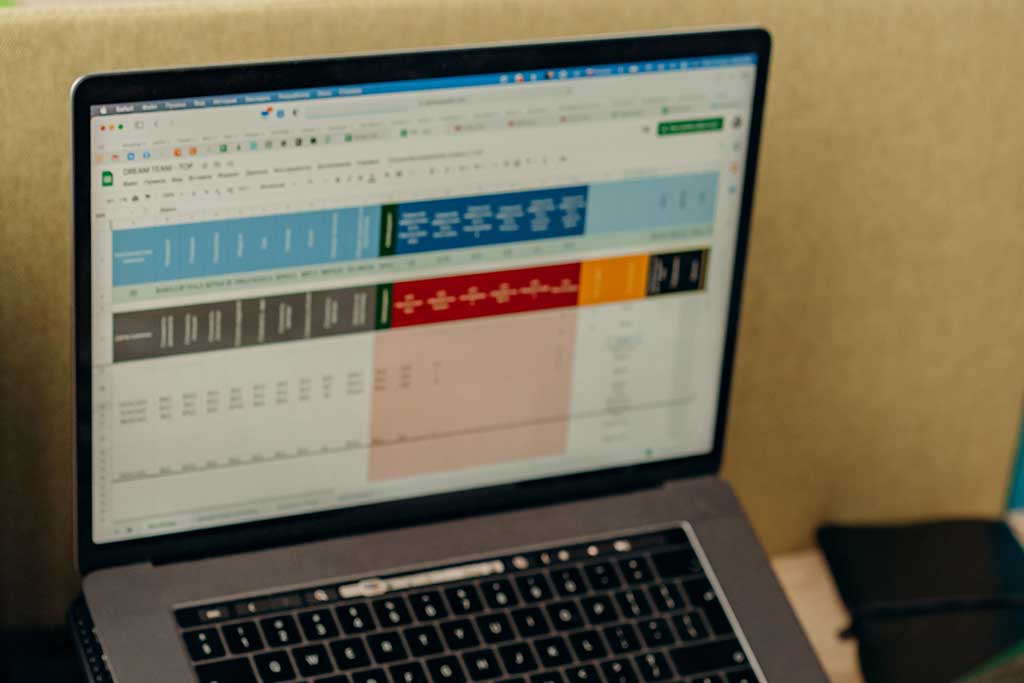
For years, spreadsheets have been the go-to tool for small businesses. They’re familiar, flexible, and often free. But as your business grows, relying solely on spreadsheets can start costing you valuable time, money, and opportunities. ⏰💸
The business world is changing rapidly, and so is the technology available to help you manage your finances more efficiently.
Spreadsheets aren’t the enemy… But they have their limits 🤔
Most business owners started with a spreadsheet to:
✅ Track income and expenses
✅ Manage customer lists
✅ Monitor cash flow
✅ Create budgets
✅ Record invoices
And there’s nothing wrong with that.
However, as your business becomes busier, spreadsheets can quickly become:
❌ Time-consuming to maintain
❌ Prone to manual errors
❌ Difficult to collaborate on
❌ Lacking real-time financial insights
❌ A risk if files are lost or not backed up properly
One small formula error can impact important financial decisions without you even realising it. 😬
Technology has come a long way 🚀
Today’s cloud-based accounting solutions automate many tasks that business owners used to spend hours doing manually.
Imagine:
📱 Sending invoices from your phone
🏦 Automatically importing bank transactions
📄 Capturing receipts with a photo
⏱️ Tracking payments in real time
📊 Viewing up-to-date reports whenever you need them
Instead of entering data repeatedly, technology can do much of the heavy lifting for you.
Free and low-cost tools every small business should consider 🛠️
You don’t need a huge budget to modernise your business.
Here are some popular tools that can save time and improve efficiency:
📋 Google sheets
A step up from traditional spreadsheets, Google Sheets allows multiple users to collaborate in real time and access information from anywhere.
Perfect for:
• Budgets
• Job tracking
• Forecasting
• Internal business reporting
📁 Google drive
Store important documents securely in the cloud and reduce your reliance on paper filing systems.
Perfect for:
• Invoices
• Receipts
• Contracts
• Employee records
✅ Trello
Organise projects, track tasks, and manage workflows with an easy-to-use visual system.
Perfect for:
• Job management
• Team collaboration
• Client onboarding
💬 Microsoft teams
Communicate and share files with your team in one central location.
Perfect for:
• Internal communication
• File sharing
• Meeting management
📸 Hubdoc or receipt capture Apps
Say goodbye to shoeboxes full of receipts.
Simply snap a photo and store documents digitally.
The biggest benefit? More time ⏰
The reality is that small business owners wear many hats.
You’re managing:
👷 Operations
📞 Customers
💼 Sales
📣 Marketing
💰 Finances
Every hour spent manually updating spreadsheets is an hour not spent growing your business.
Modern bookkeeping technology allows you to work smarter, not harder.
What about accounting software? 📚
Many businesses eventually outgrow spreadsheets altogether.
Cloud accounting software can provide:
✅ Automated bank feeds
✅ Real-time financial reporting
✅ Invoice automation
✅ Payroll integration
✅ BAS and GST tracking
✅ Better visibility over cash flow
The result is more accurate financial information and less time spent on administration.
Is it time to make the change? 🔄
If you’re finding yourself:
• Spending hours updating spreadsheets
• Struggling to keep records organised
• Unsure of your current financial position
• Constantly chasing paperwork
It may be time to review the systems you’re using.
Technology continues to evolve, and businesses that embrace modern tools often gain a significant advantage through better efficiency, accuracy, and decision-making. 📈
Final thoughts 💭
Spreadsheets still have their place in business. But relying on them for everything in today’s fast-moving environment can hold your business back.
By combining good bookkeeping practices with modern technology, you can gain better visibility over your finances, reduce manual administration, and focus on what matters most: growing your business. 🚀
The future of bookkeeping isn’t working harder in spreadsheets.
It’s working smarter with technology. 💡