
How to stay organised with receipts: A simple guide for busy business owners
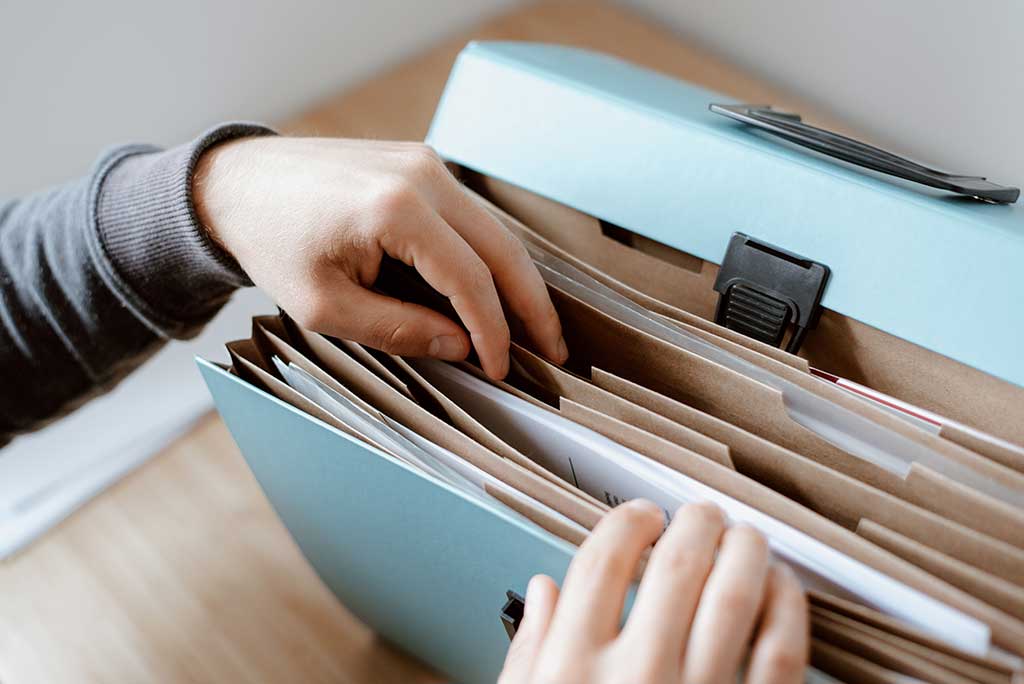
Running a business comes with plenty of paperwork, and receipts are often one of the biggest challenges. Whether you’re a sole trader, freelancer, or small business owner, keeping your receipts organised can save you hours of stress during tax time and help you maintain accurate financial records.
The good news? Staying on top of your receipts doesn’t have to be complicated. Here are some practical tips to help you stay organised all year round. 📋✨
Why receipt organisation matters 💡
Receipts are more than just pieces of paper. They provide proof of business expenses, support tax deductions, and help you track your spending.
When receipts are properly organised, you can:
✅ Maximise tax deductions
✅ Reduce bookkeeping errors
✅ Prepare for audits with confidence
✅ Monitor business expenses more effectively
✅ Save time when preparing financial reports
A little organisation today can save a lot of headaches later!
Create a habit of capturing receipts immediately 📸
One of the most common reasons receipts get lost is because they’re left in wallets, bags, vehicles, or desk drawers.
As soon as you receive a receipt:
📱 Take a photo or scan it
📂 Upload it to your accounting software or cloud storage
🗑️ Dispose of the paper copy if digital records meet your local requirements
The quicker you capture receipts, the less likely they are to disappear.
Go digital wherever possible 💻
Digital receipts are easier to store, search, and retrieve than paper copies.
Consider:
📧 Requesting emailed receipts from suppliers
📱 Using receipt-scanning apps
☁️ Saving documents to cloud-based storage systems
🔍 Using software that automatically extracts receipt information
Digital records also reduce clutter and make it much easier for your bookkeeper or accountant to access documents when needed.
Use clear categories 🗂️
Creating organised categories helps you quickly find receipts and analyse spending patterns.
Common business expense categories include:
🚗 Motor Vehicle Expenses
🏢 Office Expenses
📞 Phone & Internet
✈️ Travel & Accommodation
🍽️ Meals & Entertainment
📦 Supplies & Inventory
📣 Marketing & Advertising
Using consistent categories throughout the year will make your bookkeeping much more efficient.
Set aside time each week ⏰
Receipt management becomes overwhelming when left until the end of the quarter or financial year.
Instead, schedule a weekly “receipt check-in.”
During this time:
✅ Upload new receipts
✅ Match receipts to transactions
✅ Review missing documents
✅ File records correctly
Even 15 minutes per week can make a huge difference.
Match receipts to bank transactions 🔄
Don’t wait until tax season to reconcile your expenses.
Matching receipts to bank or credit card transactions regularly helps you:
✔️ Identify missing receipts
✔️ Spot duplicate expenses
✔️ Detect errors or fraudulent transactions
✔️ Keep financial records up to date
Regular reconciliation improves accuracy and provides a clearer picture of your business finances.
Create a backup system 🔒
Technology is fantastic, but it’s always wise to have a backup.
Consider storing receipts in:
☁️ Cloud storage
💾 External hard drives
🔐 Secure document management systems
Having multiple copies can protect your business from data loss due to technical issues or accidental deletion.
Keep personal and business expenses separate 🚫
Mixing personal and business expenses creates confusion and increases bookkeeping time.
To simplify your records:
🏦 Use a dedicated business bank account
💳 Have a separate business credit card
📋 Record any mixed expenses clearly
Separation helps maintain accurate books and reduces unnecessary work when preparing tax returns.
Let technology do the heavy lifting 🤖
Modern bookkeeping software can automatically:
✅ Capture receipts
✅ Categorise transactions
✅ Match expenses to bank feeds
✅ Store records securely
✅ Generate financial reports
By automating repetitive tasks, business owners can focus more on growing their business and less on paperwork.
Common receipt mistakes to avoid ❌
Many businesses make avoidable mistakes when handling receipts, including:
🚫 Waiting until tax time
🚫 Losing paper receipts
🚫 Forgetting to save digital receipts
🚫 Using inconsistent filing methods
🚫 Mixing personal and business purchases
🚫 Failing to back up records
Avoiding these common pitfalls can significantly improve your financial organisation.
How a professional bookkeeper can help 🤝
If receipt management feels overwhelming, a professional bookkeeper can help you implement systems that keep your records organised and compliant.3
A bookkeeper can:
📊 Set up efficient processes
📂 Organise digital records
🔍 Reconcile transactions regularly
✅ Ensure supporting documents are maintained
💼 Provide accurate financial reporting
Professional support can save valuable time and provide peace of mind that your records are always up to date.
Final thoughts 🌟
Staying organised with receipts doesn’t need to be difficult. By creating simple habits, using digital tools, and reviewing your records regularly, you can maintain accurate financial information and avoid unnecessary stress at tax time.
Need help getting your receipts and bookkeeping under control? 📞 Our experienced bookkeeping team can help you streamline your processes, stay organised, and keep your business finances running smoothly year-round.
Contact us today to learn how we can support your bookkeeping needs. 🚀